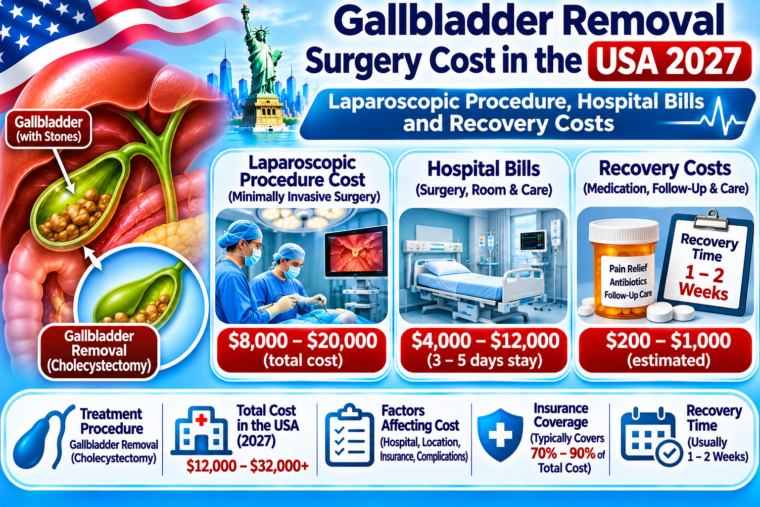
Gallbladder removal surgery, medically known as cholecystectomy, is one of the most commonly performed abdominal operations in the United States. The procedure is usually recommended for symptomatic gallstones, gallbladder inflammation, and certain other gallbladder conditions. Understanding gallbladder removal surgery costs in the USA in 2027 can help patients prepare for medical expenses, compare surgical facilities, and evaluate health insurance benefits.
The overall cost depends on the surgical technique, hospital location, anesthesia, surgeon fees, insurance coverage, and whether emergency treatment is necessary. Many patients undergo minimally invasive laparoscopic surgery and return home the same day. Others require inpatient hospitalization or open surgery because of complications.
Medical expenses can extend beyond the operation itself. Diagnostic imaging, laboratory tests, medications, follow-up visits, and time away from employment may contribute to the financial burden. This guide explains estimated gallbladder removal costs in the United States for 2027, including laparoscopic procedures, hospital bills, recovery expenses, and insurance considerations.
What Is Gallbladder Removal Surgery?
The gallbladder is a small organ located beneath the liver. It stores bile, a digestive fluid that helps the body process dietary fats. Gallstones can develop when substances within bile form hardened deposits.
Many gallstones cause no symptoms and do not require surgery. However, patients experiencing repeated pain, inflammation, or complications may need gallbladder removal.
Common reasons for surgery include:
- Repeated attacks of symptomatic gallstones.
- Acute or chronic cholecystitis.
- Gallstone-related complications.
- Selected gallbladder polyps or other concerning findings.
- Complications involving bile drainage.
The decision to operate depends on symptoms, examination findings, imaging results, and the patient’s medical condition.
Types of Gallbladder Removal Surgery
Laparoscopic Cholecystectomy
Laparoscopic gallbladder removal uses small abdominal incisions, a camera, and specialized surgical instruments. It is the preferred approach for many patients because it generally involves less postoperative pain and faster recovery than open surgery.
Most uncomplicated laparoscopic procedures are performed under general anesthesia, with discharge often possible on the same day.
Open Cholecystectomy
Open surgery involves a larger abdominal incision. It may be necessary when severe inflammation, scar tissue, unusual anatomy, or complications make laparoscopic surgery unsafe or impractical.
Open surgery generally requires a longer recovery and may involve additional hospitalization expenses.
Gallbladder Removal Surgery Cost in the USA in 2027
Surgery prices differ substantially between hospitals, ambulatory surgery centers, and insurance networks. The following figures are illustrative 2027 budgeting estimates, not verified national averages or guaranteed provider quotations.
Estimated USA Cost Breakdown
| Medical Service | Estimated Cost (USD) |
|---|---|
| Surgeon Consultation | $150–$500 |
| Abdominal Ultrasound | $200–$1,000+ |
| Blood and Laboratory Tests | $100–$600+ |
| Laparoscopic Cholecystectomy | $5,000–$20,000+ |
| Open Gallbladder Surgery | $10,000–$30,000+ |
| Anesthesia Professional Fees | $500–$2,500+ |
| Inpatient Hospitalization | $3,000–$10,000+ daily charges |
| Postoperative Follow-Up | $100–$350 |
Important: These figures represent broad financial planning scenarios. Complete surgical packages may already include anesthesia, hospital services, and surgeon fees. Separate estimates should not be added together without checking for overlapping charges.
USA Gallbladder Surgery Cost Comparison
Because this article focuses on the United States, comparing treatment settings and surgical approaches within the American healthcare system provides a practical overview of possible expenses.
| USA Surgery Scenario | Illustrative Total Budget |
|---|---|
| Outpatient Laparoscopic Surgery | $5,000–$15,000+ |
| Hospital-Based Laparoscopic Surgery | $8,000–$20,000+ |
| Open Gallbladder Surgery | $10,000–$30,000+ |
| Emergency Surgery With Complications | $20,000–$50,000+ |
These are hypothetical budgeting ranges rather than typical patient out-of-pocket costs. Emergency cases and complex hospital admissions can exceed the amounts shown.
Laparoscopic Gallbladder Surgery Expenses
Laparoscopic surgery is generally less invasive than open surgery and often reduces the need for prolonged hospitalization. However, total costs depend on the facility, operating room time, surgeon services, and anesthesia.
Patients undergoing planned outpatient surgery may have more predictable expenses than individuals requiring emergency treatment.
Some facilities provide bundled self-pay prices. Patients should confirm whether diagnostic testing, pathology, medications, and follow-up care are included.
Hospital Bills and Facility Charges
Hospital bills can represent a major portion of gallbladder surgery expenses. Charges may include operating room services, nursing care, recovery monitoring, surgical equipment, medications, and hospital accommodation.
Patients admitted for severe gallbladder inflammation or infection may require intravenous antibiotics, additional imaging, and extended medical observation.
Facility fees vary significantly across regions and insurance contracts. Patients should request itemized estimates whenever surgery can be scheduled in advance.
Gallbladder Surgery Cost With Health Insurance
Many comprehensive health insurance plans cover medically necessary gallbladder removal surgery. However, the amount patients pay depends on deductibles, coinsurance, copayments, and network participation.
Important insurance considerations include:
- Annual deductible requirements.
- Surgeon and hospital network status.
- Prior authorization for planned procedures.
- Coverage for outpatient or inpatient surgery.
- Anesthesia and pathology charges.
- Annual out-of-pocket maximums.
Patients should request a personalized estimate from their insurer before elective surgery. Emergency care may involve different coverage and billing rules.
Medicare and Medicaid Coverage
Medicare generally covers medically necessary cholecystectomy when applicable requirements are satisfied. Original Medicare Part B commonly applies to eligible outpatient surgery, while Part A generally covers qualifying inpatient hospital services.
Medicare’s 2026 national payment data illustrates that reimbursement differs by treatment setting. For uncomplicated laparoscopic cholecystectomy, the published facility payment was approximately $3,031 at an ambulatory surgery center and $6,176 at a hospital outpatient department. These amounts are Medicare facility payments, not complete private-pay surgery prices.
Medicare Advantage plans may apply different network and authorization requirements. Medicaid benefits vary by state, including participating providers and patient cost-sharing.
Gallbladder Removal Without Insurance
Uninsured patients may face substantial medical expenses, particularly when surgery requires hospitalization or emergency treatment.
Some hospitals and ambulatory surgery centers offer discounted self-pay packages. Patients should request written estimates that identify included and excluded services.
Hospital financial assistance programs may help eligible individuals manage large medical bills. Comparing qualified facilities can also reveal significant price differences.
Patients experiencing severe abdominal pain, fever, jaundice, or persistent vomiting should seek prompt medical evaluation rather than delaying care because of cost concerns.
Factors Influencing Gallbladder Surgery Prices
1. Surgical Technique
Laparoscopic surgery often requires fewer inpatient resources than open surgery. However, unexpected complications or conversion to an open procedure can increase expenses.
2. Hospital Location
Healthcare prices vary across US states and cities because of staffing expenses, operating costs, regional markets, and insurance contracts.
3. Emergency Versus Planned Surgery
Emergency procedures may require additional imaging, laboratory testing, intravenous medications, and hospitalization. These services can increase the total bill.
4. Insurance Coverage
Deductibles, coinsurance, provider networks, and authorization requirements directly affect patient out-of-pocket costs.
5. Surgeon and Anesthesia Fees
Professional charges depend on procedure complexity, operating time, and billing arrangements. These fees may appear separately from hospital charges.
6. Medications and Complications
Patients with infection, bile duct complications, or other medical problems may require additional medications, procedures, or extended observation.
Diagnostic Testing Before Gallbladder Surgery
Before surgery, healthcare professionals commonly evaluate symptoms, medical history, laboratory results, and abdominal imaging.
Ultrasound is frequently used to identify gallstones and signs of gallbladder inflammation. Blood tests may evaluate liver function, infection, and other potential complications.
Selected patients require additional imaging, such as magnetic resonance cholangiopancreatography, or procedures to investigate suspected bile duct stones.
These tests can increase treatment expenses, especially when performed during emergency hospitalization.
Recovery Costs After Laparoscopic Surgery
Recovery after uncomplicated laparoscopic gallbladder removal is often relatively quick. Many patients resume light activities within several days, although return to work depends on physical demands and medical advice.
Potential recovery expenses include:
- Prescription or over-the-counter pain medications.
- Postoperative medical appointments.
- Transportation to healthcare facilities.
- Temporary absence from employment.
- Additional testing when complications occur.
- Household assistance during recovery.
Patients undergoing open surgery generally require a longer recovery period and may experience greater indirect expenses.
Diet and Lifestyle After Gallbladder Removal
Most people can live normally without a gallbladder. Bile continues flowing from the liver into the digestive system, although some patients experience temporary digestive changes.
Smaller meals and gradual adjustments to dietary fat may help during early recovery. Persistent diarrhea or digestive symptoms should be discussed with a healthcare professional.
Special dietary supplements are not routinely necessary for every patient after uncomplicated surgery.
Possible Complications and Additional Expenses
Gallbladder surgery is generally safe, but complications can occur. Potential problems include bleeding, infection, bile leakage, bile duct injury, and reactions to anesthesia.
Some patients require additional imaging, endoscopic procedures, or hospital treatment when complications develop.
These unexpected services can substantially increase overall medical expenses. Patients should discuss individual surgical risks and postoperative warning signs with their surgeon.
How to Reduce Gallbladder Surgery Costs
Patients can take practical steps to manage medical spending while maintaining appropriate care.
- Request complete written surgical estimates.
- Verify insurance coverage before planned surgery.
- Confirm surgeon and facility network participation.
- Compare qualified outpatient surgery centers.
- Ask about anesthesia and pathology charges.
- Explore hospital financial assistance programs.
- Review available payment arrangements.
- Follow postoperative instructions to support recovery.
Medical suitability, surgical safety, and qualified providers should remain more important than choosing the lowest advertised price.
Frequently Asked Questions
How much does gallbladder removal surgery cost in the USA in 2027?
Illustrative costs range from approximately $5,000 to $20,000 or more for laparoscopic surgery. Complex or emergency cases can cost substantially more.
Is laparoscopic surgery cheaper than open surgery?
Laparoscopic surgery often involves shorter hospitalization and recovery, potentially reducing expenses. However, actual prices depend on facility charges and medical complexity.
Does health insurance cover gallbladder removal?
Many plans cover medically necessary cholecystectomy, subject to deductibles, coinsurance, network requirements, and applicable authorization rules.
How long does recovery take?
Many patients recover from uncomplicated laparoscopic surgery within one to two weeks, although some need longer. Open surgery generally requires several weeks of recovery.
Can someone live normally without a gallbladder?
Yes. Most people return to normal daily activities and eating patterns after recovery, although some experience digestive changes.
Conclusion
Gallbladder removal surgery costs in the USA in 2027 depend on laparoscopic or open surgical techniques, hospital bills, anesthesia, insurance coverage, and recovery requirements.
Planned outpatient procedures may involve lower expenses than complicated emergency admissions. However, actual prices vary significantly between providers and insurance arrangements.
Patients should obtain detailed estimates, understand their insurance benefits, and discuss treatment options with qualified healthcare professionals.
Medical Disclaimer: This article provides general educational and financial planning information only. It does not replace professional medical advice, diagnosis, or treatment. All 2027 prices are illustrative estimates and should be verified with healthcare providers and insurance companies.
