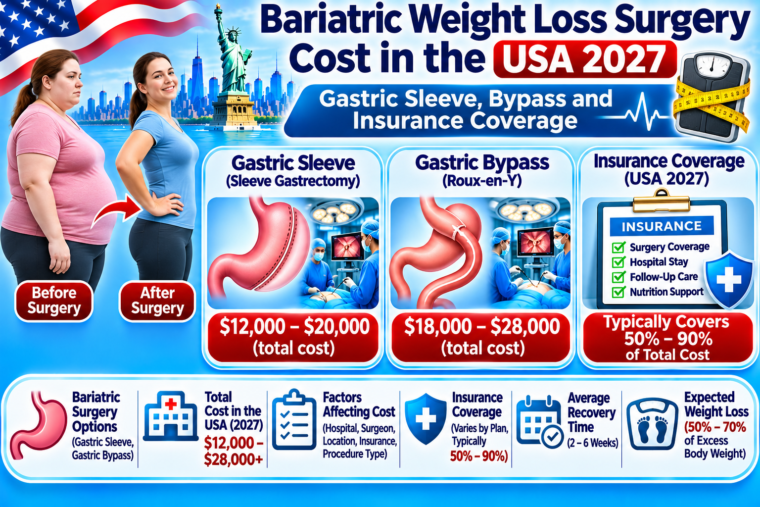
Bariatric weight loss surgery is an established medical treatment for selected people living with obesity, particularly when excess weight is associated with serious health conditions. Common procedures include gastric sleeve surgery and gastric bypass, both of which change the digestive system to support substantial and sustained weight reduction. Understanding bariatric weight loss surgery costs in the USA in 2027 is important for patients comparing surgical options, insurance coverage, hospital fees, and long-term healthcare expenses.
The total cost of bariatric surgery depends on the procedure, surgeon experience, hospital location, anesthesia, medical evaluations, and postoperative care. Patients may also need nutritional counseling, laboratory testing, prescription medications, and lifelong vitamin supplementation.
Although surgery can improve obesity-related conditions such as type 2 diabetes, obstructive sleep apnea, and high blood pressure, it also involves medical risks and permanent lifestyle changes. Financial planning should therefore consider both the initial operation and ongoing follow-up expenses.
This comprehensive guide explains estimated bariatric surgery prices in the United States for 2027, including gastric sleeve costs, gastric bypass expenses, insurance requirements, self-pay options, hospital charges, and recovery costs.
What Is Bariatric Weight Loss Surgery?
Bariatric surgery, also called metabolic and bariatric surgery, involves procedures that modify the stomach or digestive tract to help treat obesity and related metabolic conditions.
Different operations work through changes in stomach capacity, gastrointestinal hormones, food intake, and sometimes nutrient absorption.
Major treatment options include:
- Sleeve gastrectomy: Removes a large portion of the stomach, leaving a narrower stomach structure.
- Roux-en-Y gastric bypass: Creates a smaller stomach pouch and reroutes part of the small intestine.
- Duodenal switch procedures: Combine stomach reduction with intestinal changes that significantly affect nutrient absorption.
- Revisional bariatric surgery: Modifies a previous operation when medically appropriate.
Not every patient is a suitable candidate for every procedure. Selection depends on medical history, obesity-related conditions, previous treatment, nutritional status, and individual goals.
Who May Qualify for Bariatric Surgery?
Professional guidance from the American Society for Metabolic and Bariatric Surgery and the International Federation for the Surgery of Obesity and Metabolic Disorders recommends metabolic and bariatric surgery for individuals with a body mass index of 35 or higher, regardless of the presence or severity of obesity-related conditions.
The guidance also recommends considering surgery for individuals with type 2 diabetes and a body mass index of 30 or higher. Surgery may be considered in selected patients with a BMI between 30 and 34.9 who do not achieve durable weight loss or improvement in related conditions through nonsurgical methods.
Insurance eligibility rules may be more restrictive than current professional recommendations. A bariatric specialist can explain individual medical suitability and coverage requirements.
Bariatric Weight Loss Surgery Cost in the USA in 2027
Bariatric surgery prices differ substantially between American hospitals, ambulatory surgery facilities, and specialist centers. The following figures are illustrative financial planning estimates for 2027 rather than verified national averages.
Estimated USA Bariatric Surgery Cost Breakdown
| Treatment or Service | Estimated Cost (USD) |
|---|---|
| Initial Bariatric Consultation | $150–$500 |
| Preoperative Tests and Evaluations | $500–$3,000+ |
| Gastric Sleeve Surgery | $10,000–$25,000+ |
| Gastric Bypass Surgery | $15,000–$35,000+ |
| Duodenal Switch Procedure | $20,000–$40,000+ |
| Revisional Bariatric Surgery | $15,000–$45,000+ |
| Anesthesia Professional Fees | $800–$3,000+ |
| Postoperative Nutritional Follow-Up | $100–$300+ per visit |
Important: These amounts are broad hypothetical budgeting ranges. Surgery package prices may already include anesthesia, surgeon fees, and hospital services. Do not add individual estimates together without checking for overlapping charges.
USA Bariatric Surgery Cost Comparison
Since this article focuses on the United States, comparing procedures and treatment arrangements within the American healthcare system offers a practical financial overview.
| USA Surgery Scenario | Illustrative Total Budget |
|---|---|
| Self-Pay Gastric Sleeve | $10,000–$25,000+ |
| Self-Pay Gastric Bypass | $15,000–$35,000+ |
| Complex Bariatric Surgery | $20,000–$45,000+ |
| Insured Bariatric Surgery | Depends on plan benefits |
These scenarios do not represent guaranteed cash prices or typical insured patient payments. Actual expenses depend on the surgical package, provider contracts, and insurance benefits.
Gastric Sleeve Surgery Cost in the USA
Gastric sleeve surgery, medically called sleeve gastrectomy, is one of the most frequently performed bariatric procedures. During the operation, the surgeon removes a substantial portion of the stomach, creating a smaller sleeve-shaped stomach.
The procedure is usually performed laparoscopically using small abdominal incisions. Robotic assistance may be used in selected centers.
For 2027 budgeting, gastric sleeve surgery may involve approximately $10,000 to $25,000 or more in total charges or package pricing, depending on the facility and included services.
Potential expenses include surgeon fees, anesthesia, operating room services, preoperative evaluation, hospital recovery, and postoperative appointments.
Patients should ask whether a quoted price includes treatment of complications, additional hospital nights, or follow-up nutrition services.
Gastric Bypass Surgery Cost in the USA
Roux-en-Y gastric bypass creates a small stomach pouch and connects it to a lower portion of the small intestine. This changes food passage and affects digestive hormones and nutrient absorption.
Gastric bypass may be particularly useful for selected patients with obesity-related metabolic conditions or significant gastroesophageal reflux disease.
Because the operation involves intestinal reconstruction, it may require greater technical complexity than sleeve gastrectomy.
For broad 2027 financial planning, gastric bypass surgery may cost approximately $15,000 to $35,000 or more before insurance adjustments.
Patients require lifelong nutritional monitoring and supplementation after gastric bypass because deficiencies can develop over time.
Gastric Sleeve vs Gastric Bypass Cost Comparison
Gastric sleeve surgery may have a lower initial price than gastric bypass at some facilities. However, the lowest surgical price does not necessarily represent the best long-term treatment value.
Gastric bypass may provide advantages for selected medical conditions, while sleeve gastrectomy avoids intestinal rerouting. Both procedures have distinct risks and long-term nutritional considerations.
Patients should discuss expected weight outcomes, reflux symptoms, diabetes management, nutritional requirements, and possible future procedures with a qualified bariatric team.
Hospital Fees and Surgical Facility Charges
Hospital expenses are a major component of bariatric surgery costs. Charges may include operating room services, nursing care, surgical equipment, medications, recovery monitoring, and inpatient accommodation.
Many patients undergo surgery at accredited bariatric centers with specialized multidisciplinary teams.
Hospital costs can increase when patients require additional monitoring, experience complications, or have complex medical conditions.
Patients should request detailed estimates identifying facility charges separately from surgeon and anesthesia fees whenever possible.
Preoperative Evaluation and Medical Testing Costs
Before bariatric surgery, patients undergo a medical assessment to identify conditions that could affect surgical safety or recovery. The evaluation may include blood tests, nutritional screening, heart and lung assessments, and reviews of existing medications.
Some patients need a sleep apnea assessment, upper gastrointestinal endoscopy, or additional specialist consultations. A psychological or behavioral health evaluation may also be part of the preparation process.
Common preoperative expenses include:
- Blood count and metabolic laboratory tests.
- Vitamin and mineral deficiency screening.
- Cardiology or pulmonary consultations when indicated.
- Dietitian appointments and nutritional education.
- Behavioral health assessments.
- Upper gastrointestinal examinations when necessary.
- Insurance documentation and supervised treatment visits.
Not every patient requires every test. The surgical team should explain which evaluations are medically necessary and which services are covered by insurance.
Bariatric Surgery Insurance Coverage in the USA
Health insurance can substantially reduce the direct cost of bariatric surgery. However, coverage varies between employers, insurance companies, and individual health plans.
Some policies include bariatric surgery benefits, while others exclude certain procedures or require extensive documentation before approval.
Insurance companies may review body mass index, obesity-related conditions, previous medical treatment, and recommendations from a qualified bariatric specialist.
Important insurance considerations include:
- Whether bariatric surgery is included in the policy.
- Required medical necessity documentation.
- Prior authorization before the operation.
- Preferred surgeons and participating hospitals.
- Deductibles, copayments, and coinsurance.
- Coverage for nutritional counseling.
- Postoperative follow-up and complication benefits.
- Annual out-of-pocket maximums.
Patients should obtain written coverage confirmation and request an estimate of their expected financial responsibility before scheduling surgery.
Medicare Coverage for Bariatric Surgery
Medicare covers certain bariatric procedures for eligible beneficiaries who satisfy established medical criteria. Covered procedures can include Roux-en-Y gastric bypass and other qualifying operations.
Under Medicare’s national coverage policy, many qualifying procedures require a body mass index of at least 35, an obesity-related medical condition, and unsuccessful previous medical treatment for obesity.
Coverage for stand-alone laparoscopic sleeve gastrectomy may be determined by Medicare Administrative Contractors under applicable criteria.
These Medicare rules should not be confused with broader professional society recommendations for surgical eligibility.
Medicare beneficiaries may still owe deductibles, coinsurance, or other applicable charges. Medicare Advantage plans can have different network and authorization requirements.
Medicaid Coverage for Weight Loss Surgery
Medicaid may cover medically necessary bariatric surgery for eligible beneficiaries, but coverage requirements vary by state.
Some state programs require specific medical documentation, specialist evaluations, or treatment at approved surgical facilities.
Patients should contact their state Medicaid program or managed care organization to verify whether gastric sleeve, gastric bypass, and postoperative services are covered.
Weight Loss Surgery Without Insurance
Patients without bariatric surgery benefits may need to pay directly for their treatment. Some qualified surgical centers offer self-pay packages that combine surgeon services, anesthesia, hospital charges, and selected follow-up appointments.
However, package details differ significantly between providers. A lower advertised price may exclude diagnostic testing, additional hospital nights, or treatment of complications.
Patients should request a written estimate explaining:
- The exact procedure included.
- Surgeon and anesthesia charges.
- Hospital accommodation and operating room services.
- Preoperative testing and consultations.
- Postoperative appointments and nutritional support.
- Financial responsibility for unexpected complications.
Hospital financial assistance programs and payment arrangements may be available to qualifying patients. Any financing agreement should be reviewed carefully for interest rates and repayment obligations.
Factors Influencing Bariatric Surgery Prices
1. Type of Surgical Procedure
Gastric sleeve, gastric bypass, duodenal switch, and revision operations involve different levels of surgical complexity. Longer or more technically demanding procedures may require additional operating room resources.
2. Hospital and Geographic Location
Medical pricing varies across American cities and states. Hospital staffing costs, equipment, regional competition, and insurance contracts influence the final charges.
3. Surgeon Experience
Experienced bariatric specialists may work at centers offering comprehensive multidisciplinary services. Patients should evaluate qualifications, facility accreditation, and outcomes rather than comparing fees alone.
4. Insurance Coverage
Insurance exclusions, deductibles, coinsurance, prior authorization requirements, and provider networks can significantly affect personal expenses.
5. Existing Medical Conditions
Patients with severe sleep apnea, heart disease, diabetes, or other medical conditions may need additional evaluation and monitoring, increasing treatment costs.
6. Hospitalization and Complications
Unexpected bleeding, infection, blood clots, gastrointestinal leaks, or other complications may require additional procedures and longer hospital stays.
7. Medication and Nutritional Expenses
Prescription medications, vitamin supplements, laboratory monitoring, and dietitian appointments contribute to long-term bariatric treatment costs.
Recovery Costs After Gastric Sleeve Surgery
Many patients begin walking soon after surgery and gradually resume routine activities under medical supervision. Recovery time depends on individual health, procedure complexity, and employment requirements.
Patients generally follow a staged postoperative eating plan that progresses from liquids toward more varied foods as healing occurs.
Potential recovery expenses include pain medication, protein supplements, transportation, follow-up appointments, and temporary time away from work.
Patients should follow their surgical team’s specific dietary and activity instructions to reduce the risk of complications.
Recovery After Gastric Bypass Surgery
Gastric bypass recovery also requires gradual dietary progression, hydration, physical activity, and close medical monitoring.
Because the procedure changes nutrient absorption, patients require particular attention to vitamins, minerals, and protein intake.
Long-term supplementation commonly includes nutrients such as vitamin B12, iron, calcium, and vitamin D, depending on clinical recommendations.
Follow-up laboratory testing helps identify deficiencies before they become serious medical problems.
Long-Term Bariatric Surgery Expenses
Bariatric surgery is not a one-time healthcare expense. Long-term follow-up is important for nutritional health, weight management, and early identification of complications.
Patients may need periodic laboratory tests, nutritional counseling, medication adjustments, and specialist appointments.
Some patients experience weight regain or complications that require additional medical treatment. Others may need procedures for excess skin after substantial weight loss, which insurance may not cover unless specific medical necessity criteria are satisfied.
Patients should include recurring medical and nutritional expenses in their financial planning.
Potential Health Benefits and Financial Considerations
For appropriately selected patients, bariatric surgery can produce meaningful improvements in obesity-related medical conditions. These improvements may reduce the need for certain medications or healthcare services over time.
However, individual outcomes vary, and surgery does not guarantee that every related condition will resolve.
Long-term financial benefits should be considered alongside initial treatment costs, ongoing monitoring, potential complications, and the importance of maintaining recommended lifestyle changes.
How to Reduce Bariatric Surgery Costs
Patients can use several practical strategies to manage expenses while maintaining appropriate medical care.
- Verify whether the insurance policy includes bariatric surgery.
- Request complete written surgical estimates.
- Choose qualified in-network surgeons and hospitals.
- Ask about comprehensive self-pay packages.
- Confirm coverage for nutritional counseling and testing.
- Review financial assistance and payment arrangements.
- Plan for lifelong supplements and follow-up appointments.
- Compare treatment quality, safety, and long-term support.
Frequently Asked Questions
How much does gastric sleeve surgery cost in the USA in 2027?
For illustrative financial planning, gastric sleeve surgery may cost approximately $10,000 to $25,000 or more before insurance adjustments. Actual prices depend on the surgical center and included services.
Is gastric bypass more expensive than gastric sleeve?
Gastric bypass may cost more because of its technical complexity and intestinal reconstruction. However, prices vary by hospital, insurance contract, and patient circumstances.
Does health insurance cover bariatric surgery?
Some health plans cover medically necessary bariatric procedures, while others have exclusions or additional requirements. Patients should verify their specific benefits before scheduling surgery.
Does Medicare cover gastric sleeve surgery?
Medicare coverage for stand-alone laparoscopic sleeve gastrectomy is available under applicable criteria and contractor determinations. Patients should confirm eligibility with their Medicare provider and surgical team.
Are vitamin supplements necessary after bariatric surgery?
Yes. Lifelong vitamin and mineral supplementation is generally recommended after common bariatric procedures, with specific requirements depending on the operation and laboratory results.
Can bariatric surgery improve type 2 diabetes?
Many patients experience improved blood sugar control after metabolic surgery, and some achieve remission. Outcomes vary, and continued medical monitoring remains important.
Conclusion
Bariatric weight loss surgery costs in the USA in 2027 depend on gastric sleeve or gastric bypass procedures, hospital fees, surgeon charges, insurance coverage, and postoperative care.
Gastric sleeve surgery may involve lower initial expenses at some facilities, while gastric bypass and more complex operations can require higher surgical spending.
Patients should obtain detailed estimates, understand insurance eligibility, budget for lifelong nutritional care, and discuss treatment options with qualified bariatric specialists.
Choosing the right procedure should prioritize medical suitability, patient safety, sustainable health improvements, and long-term support rather than the lowest advertised price.
Medical Disclaimer: This article provides general educational and financial planning information only. It does not replace professional medical advice, diagnosis, or treatment. All 2027 costs are illustrative estimates and must be verified directly with healthcare providers, hospitals, and insurance companies.
