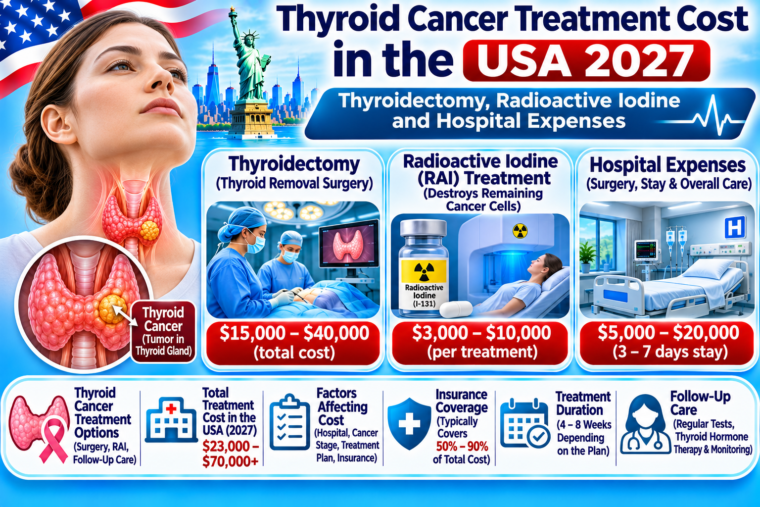
Thyroid cancer is a disease in which abnormal cells grow within the thyroid gland, a small butterfly-shaped organ located at the front of the neck. The thyroid produces hormones that regulate metabolism, energy use, and many important body functions. A thyroid cancer diagnosis can create both medical concerns and financial uncertainty, especially when surgery, radioactive iodine treatment, specialist consultations, and ongoing monitoring are required.
Understanding thyroid cancer treatment costs in the USA in 2027 can help patients and families prepare for medical bills, compare treatment options, and review insurance benefits. Expenses depend on the cancer type, disease stage, surgical procedure, hospital location, medication requirements, and whether additional therapies are necessary.
Many patients with differentiated thyroid cancer have favorable outcomes following appropriate treatment. However, treatment needs vary considerably. Some low-risk patients require only limited surgery or carefully selected active surveillance, while others need total thyroidectomy, lymph node surgery, radioactive iodine, or advanced cancer treatment.
This guide explains estimated thyroid cancer treatment costs in the United States for 2027, including thyroidectomy surgery, radioactive iodine therapy, hospital expenses, diagnostic testing, insurance coverage, medication costs, and long-term follow-up.
Understanding Thyroid Cancer and Its Types
Thyroid cancer develops when cells within the thyroid gland begin growing abnormally. Several forms exist, and the specific diagnosis influences treatment planning, prognosis, and overall healthcare expenses.
Common types include:
- Papillary thyroid cancer: The most common form, frequently associated with favorable outcomes when appropriately treated.
- Follicular thyroid cancer: Another differentiated form that may be managed with surgery and selected additional treatments.
- Medullary thyroid cancer: A less common type that requires specialized evaluation and does not respond to radioactive iodine.
- Anaplastic thyroid cancer: An uncommon, aggressive form that generally requires urgent multidisciplinary care.
Treatment costs can differ dramatically between a small localized papillary tumor and advanced thyroid cancer requiring complex surgery, systemic medication, or radiation treatment.
Common Symptoms and Diagnostic Evaluation
Thyroid cancer may initially cause no noticeable symptoms. Some patients discover a thyroid nodule during a routine examination or imaging performed for another reason.
Possible symptoms include a neck lump, persistent hoarseness, difficulty swallowing, or enlarged neck lymph nodes. These symptoms can have many noncancerous causes and require appropriate medical evaluation.
Diagnostic investigations may include:
- Thyroid and neck ultrasound.
- Fine-needle aspiration biopsy.
- Blood tests evaluating thyroid function.
- Specialized molecular testing when appropriate.
- CT or MRI imaging for selected cases.
- Additional staging investigations when indicated.
Not every patient requires every test. The specialist selects investigations according to clinical findings, biopsy results, and the suspected cancer type.
Thyroid Cancer Treatment Cost in the USA in 2027
The financial burden of thyroid cancer treatment depends on the number and complexity of medical services required. Surgical treatment often represents a substantial initial expense, while radioactive iodine, medications, and monitoring can create additional costs.
The following amounts are illustrative 2027 financial planning ranges in US dollars. They are not verified national averages, guaranteed self-pay quotations, or predictions of individual insurance payments.
Estimated USA Treatment Cost Breakdown
| Medical Service | Estimated Cost (USD) |
|---|---|
| Endocrinologist Consultation | $150–$500 per visit |
| Thyroid and Neck Ultrasound | $200–$1,000+ |
| Fine-Needle Aspiration Biopsy | $500–$2,500+ |
| Thyroid Lobectomy | $6,000–$18,000+ |
| Total Thyroidectomy | $8,000–$30,000+ |
| Complex Surgery With Neck Dissection | $20,000–$50,000+ |
| Radioactive Iodine Treatment | $1,000–$10,000+ |
| Anesthesia Professional Fees | $700–$3,000+ |
| Postoperative Follow-Up Visit | $100–$400 |
Important: These figures are broad budgeting illustrations. Some surgical prices include hospital, anesthesia, or professional services, while others cover only a facility charge. Do not add individual ranges together without confirming what is included.
USA Thyroid Cancer Treatment Cost Comparison
Because this article focuses on the United States, the following table compares different treatment scenarios within the American healthcare system rather than introducing international prices that may not be directly comparable.
| USA Treatment Scenario | Illustrative Budget |
|---|---|
| Low-Risk Disease With Limited Surgery | $7,000–$20,000+ |
| Total Thyroidectomy and Routine Follow-Up | $10,000–$35,000+ |
| Surgery With Radioactive Iodine | $15,000–$45,000+ |
| Complex Surgery and Additional Treatment | $30,000–$75,000+ |
| Advanced Cancer Requiring Systemic Therapy | Highly variable; may exceed $100,000 annually |
These examples represent possible total medical spending, not typical patient out-of-pocket costs. Actual spending depends on the treatment plan, hospital billing arrangements, and insurance negotiations.
Thyroidectomy Surgery Cost in the USA
Thyroidectomy is a surgical procedure that removes part or all of the thyroid gland. It is a common treatment for thyroid cancer, but the extent of surgery depends on tumor size, location, cancer characteristics, and evidence of disease spread.
Thyroid Lobectomy
Thyroid lobectomy removes one side of the thyroid gland. It may be appropriate for selected patients with localized, lower-risk differentiated thyroid cancer.
Some patients retain sufficient thyroid function after lobectomy and do not require lifelong hormone replacement. Others need medication or additional treatment depending on postoperative findings.
Total Thyroidectomy
Total thyroidectomy removes the entire thyroid gland. It may be recommended for larger tumors, certain higher-risk cancers, bilateral disease, or clinically significant spread.
After total thyroidectomy, patients require lifelong thyroid hormone replacement. Surgery may also be followed by radioactive iodine when clinically indicated.
Thyroidectomy With Lymph Node Dissection
When cancer has spread to cervical lymph nodes, the surgeon may need to remove affected lymphatic tissue. This can increase operating time, surgical complexity, and hospital expenses.
Patients should discuss the planned procedure, expected recovery, potential complications, and the possibility of additional treatment with their surgical team.
Radioactive Iodine Treatment Cost
Radioactive iodine therapy uses iodine-131 to target iodine-absorbing thyroid tissue. It may be recommended after thyroidectomy for selected patients with differentiated thyroid cancer who have an increased risk of recurrence or known remaining disease.
Radioactive iodine is not routinely necessary for every thyroid cancer patient. Current professional guidance generally advises against routine radioactive iodine ablation in low-risk differentiated thyroid cancer.
Radioactive iodine does not treat medullary or anaplastic thyroid cancer because these cancers do not respond to iodine in the same way.
Costs depend on the administered activity, treatment facility, imaging requirements, preparation method, and whether additional medical observation is necessary.
Hospital Expenses and Anesthesia Fees
Hospital charges may include operating room use, surgical supplies, nursing services, medications, recovery monitoring, and inpatient accommodation.
Some patients return home after a short observation period, while others require overnight hospitalization because of surgical complexity or individual medical circumstances.
Anesthesia professionals may bill separately from the surgeon and hospital. Patients should obtain estimates covering every anticipated provider before scheduled surgery.
Thyroid Cancer Specialist and Consultation Fees
Thyroid cancer treatment frequently involves several healthcare professionals. An endocrinologist evaluates thyroid function and long-term hormone requirements, while an endocrine surgeon or qualified head and neck surgeon performs the operation. Nuclear medicine specialists may supervise radioactive iodine treatment.
Patients with advanced disease may also require consultations with medical oncologists, radiation oncologists, and other specialists.
Professional fees vary according to physician experience, geographical location, appointment complexity, and insurance network participation. Multiple specialist appointments can increase total treatment expenses, particularly during the first year after diagnosis.
Thyroid Cancer Medication Expenses
Medication costs depend on the thyroid cancer diagnosis and the treatment performed. Many patients require thyroid hormone replacement after surgery, while selected individuals need additional medicines to manage symptoms or advanced disease.
Levothyroxine Replacement Therapy
After total thyroidectomy, patients require lifelong levothyroxine to replace the hormones normally produced by the thyroid gland.
Generic levothyroxine is often relatively inexpensive, although pharmacy prices and insurance benefits vary. Branded formulations may have higher costs.
Medication doses require monitoring through blood tests. For some patients with differentiated thyroid cancer, doctors prescribe a dose intended to suppress thyroid-stimulating hormone according to recurrence risk and individual circumstances.
Calcium and Vitamin D Supplements
Temporary or permanent changes in parathyroid function can occur after thyroid surgery, potentially causing low calcium levels.
Some patients require calcium supplements, vitamin D preparations, or additional laboratory monitoring. The duration and cost of treatment depend on recovery and individual medical needs.
Targeted Cancer Medications
Patients with advanced, recurrent, or radioactive iodine-refractory thyroid cancer may qualify for targeted systemic therapies.
These medications can be expensive, sometimes generating substantial monthly pharmacy or medical benefit claims. Treatment selection depends on cancer type, molecular findings, previous therapy, and clinical eligibility.
Not every patient with thyroid cancer requires chemotherapy or targeted medication. Many localized differentiated thyroid cancers are successfully managed without these treatments.
Preparing for Radioactive Iodine Therapy
Radioactive iodine treatment may require preparation to increase thyroid-stimulating hormone levels and improve iodine uptake.
Depending on the treatment plan, preparation may involve temporary withdrawal of thyroid hormone medication or administration of recombinant human thyroid-stimulating hormone.
Patients may also receive instructions for a temporary low-iodine diet before treatment.
Additional costs can include preparation medications, blood tests, nuclear medicine imaging, and follow-up examinations.
Radiation safety instructions may require temporary restrictions on close contact with other people after treatment. Patients should discuss practical arrangements and expected expenses with their nuclear medicine team.
Thyroid Cancer Treatment With Health Insurance
Many comprehensive American health insurance plans cover medically necessary thyroid cancer diagnosis and treatment. However, coverage details depend on the policy, medical necessity criteria, provider network, and prescribed services.
Important insurance considerations include:
- Annual deductibles and coinsurance.
- Specialist consultation copayments.
- Hospital and surgeon network participation.
- Prior authorization for selected procedures.
- Radioactive iodine treatment coverage.
- Prescription medication benefits.
- Diagnostic imaging and laboratory testing.
- Annual out-of-pocket maximums.
Patients should request written estimates and confirm coverage before planned treatment whenever possible.
Insurance-negotiated prices can be substantially different from hospital list prices. The amount a patient personally owes also depends on how much of their deductible has already been satisfied.
Medicare Coverage for Thyroid Cancer
Medicare generally covers medically necessary cancer treatment for eligible beneficiaries when applicable requirements are met.
Original Medicare Part A generally applies to qualifying inpatient hospital services, while Part B covers eligible outpatient procedures, physician consultations, and certain administered treatments.
Prescription thyroid hormone and selected oral cancer medications may be covered under applicable Medicare Part D plans.
Medicare Advantage plans can have different provider networks, authorization procedures, and cost-sharing arrangements.
Patients should verify coverage for surgery, radioactive iodine, imaging, and long-term monitoring with their specific Medicare plan.
Medicaid and Financial Assistance Programs
Medicaid may cover medically necessary thyroid cancer treatment for eligible patients. Benefits and administrative requirements vary by state and managed care arrangement.
Patients facing substantial treatment expenses may also qualify for hospital financial assistance programs or support from charitable organizations.
Some pharmaceutical manufacturers provide assistance for eligible patients receiving expensive cancer medications.
Financial counselors at cancer treatment centers can help patients understand available payment arrangements and assistance eligibility.
Thyroid Cancer Treatment Without Insurance
Uninsured patients may face significant direct expenses for surgery, radioactive iodine, diagnostic testing, and ongoing specialist care.
Some hospitals publish discounted self-pay prices or offer financial assistance based on income and other eligibility requirements.
Before planned treatment, patients should request a written estimate that identifies the expected charges for surgery, anesthesia, hospitalization, pathology, and follow-up care.
A quoted facility price may not include separate professional services. Understanding these exclusions can help prevent unexpected medical bills.
Factors Influencing Thyroid Cancer Treatment Prices
1. Cancer Type and Stage
Small localized cancers may require less extensive treatment than advanced tumors involving lymph nodes or distant organs.
2. Surgical Complexity
Thyroid lobectomy, total thyroidectomy, and surgery involving lymph node dissection require different operating times, equipment, and medical resources.
3. Hospital Location
Medical prices vary across the United States because of regional operating expenses, staffing, hospital contracts, and healthcare market conditions.
4. Insurance Coverage
Deductibles, coinsurance, authorization requirements, and provider networks influence the final amount paid by patients.
5. Radioactive Iodine Requirements
Not every patient needs radioactive iodine. Those requiring treatment may incur additional expenses for preparation, medication, imaging, and follow-up.
6. Medication Costs
Generic hormone replacement is usually less expensive than specialized targeted cancer therapies. The required treatment regimen can substantially change annual spending.
7. Complications and Hospitalization
Postoperative bleeding, infection, low calcium levels, or other complications may require additional medical attention and increase total expenses.
Recovery Costs After Thyroidectomy
Recovery after thyroid surgery depends on the extent of the operation, the patient’s health, and whether complications occur.
Many patients return to light activities relatively quickly, although full recovery and return to physically demanding work may take longer.
Possible recovery expenses include:
- Prescription pain medications.
- Postoperative surgeon appointments.
- Thyroid hormone prescriptions.
- Calcium monitoring and supplements.
- Transportation to medical facilities.
- Temporary absence from employment.
- Additional evaluation for voice or swallowing concerns.
Patients should follow their surgeon’s instructions and seek medical attention for concerning symptoms such as increasing neck swelling, breathing difficulty, or significant postoperative problems.
Long-Term Monitoring and Follow-Up Expenses
Thyroid cancer follow-up can continue for many years. The monitoring schedule depends on the cancer type, recurrence risk, treatment response, and individual medical circumstances.
For differentiated thyroid cancer, monitoring may include thyroid function testing, thyroglobulin measurements when appropriate, neck ultrasound, and specialist appointments.
Patients with medullary thyroid cancer require different monitoring strategies, which may include calcitonin and carcinoembryonic antigen testing.
Long-term expenses should be included in financial planning because ongoing surveillance remains important even after successful initial treatment.
How to Reduce Thyroid Cancer Treatment Costs
Patients can take practical steps to manage healthcare spending without compromising medically necessary treatment.
- Confirm insurance coverage before planned procedures.
- Request complete written hospital estimates.
- Verify surgeon and specialist network participation.
- Ask whether generic medications are appropriate.
- Review prescription drug coverage carefully.
- Explore hospital financial assistance programs.
- Keep organized records of medical bills.
- Ask about expected long-term monitoring expenses.
- Discuss treatment necessity and alternatives with specialists.
Patients should not delay essential cancer treatment or change prescribed medication solely to reduce expenses without discussing the decision with their medical team.
Frequently Asked Questions
How much does thyroid cancer treatment cost in the USA in 2027?
Costs vary considerably. Limited surgery may involve several thousand dollars, while extensive operations, radioactive iodine, hospitalization, and advanced therapies can generate much higher expenses. The estimates in this guide are illustrative rather than guaranteed prices.
How much does total thyroidectomy cost without insurance?
A broad 2027 planning range is approximately $8,000 to $30,000 or more, depending on the hospital, surgical complexity, and included services. Some facilities may quote lower or higher amounts.
Does every thyroid cancer patient need radioactive iodine?
No. Radioactive iodine is generally reserved for selected differentiated thyroid cancer patients based on recurrence risk, residual disease, and other clinical factors.
Does health insurance cover thyroid cancer surgery?
Many comprehensive insurance plans cover medically necessary thyroid cancer surgery, although deductibles, coinsurance, and authorization requirements may apply.
Will I need medication after thyroidectomy?
Patients who undergo total thyroidectomy require lifelong thyroid hormone replacement. Some patients undergoing lobectomy also need medication.
Can thyroid cancer return after treatment?
Yes. Recurrence is possible, which is why ongoing specialist follow-up and appropriate monitoring remain important.
Conclusion
Thyroid cancer treatment costs in the USA in 2027 depend on thyroidectomy, radioactive iodine, hospital expenses, specialist consultations, medication requirements, and insurance coverage.
Patients with localized, lower-risk disease may require relatively limited treatment, while advanced cancers can involve substantially greater healthcare spending.
Obtaining detailed medical estimates, understanding insurance benefits, planning for long-term monitoring, and discussing treatment options with qualified specialists can help patients manage expenses effectively.
Above all, treatment decisions should prioritize appropriate cancer care, patient safety, and individualized medical recommendations rather than price alone.
Medical Disclaimer: This article is intended for general educational and financial planning purposes only. It does not replace professional medical advice, diagnosis, or treatment. All 2027 cost figures are illustrative estimates and should be confirmed directly with healthcare providers, hospitals, pharmacies, and insurance companies.
